
Top 4 Alternatives of Fujifilm for Enterprise Imaging Solutions
Many hospitals still juggle three or four disconnected viewers and PACS because their current vendor cannot share images across departments without extra middleware. The result is repeated logins, copied DVDs, and delayed second opinions. A switch therefore hinges on seeing clear side-by-side differences rather than marketing claims.
After this article you will know the four main evaluation criteria, how Medicai stacks up against Intelerad, Sectra, and Agfa HealthCare on each one, and which platform earns the top ranking for multi-location teams that need fast sharing and built-in AI tools.
What to Look For in Enterprise Imaging Solutions
Enterprise imaging solutions must meet specific technical and operational requirements to handle large-scale radiology workflows across multiple facilities.
Storage capacity forms the foundation of any enterprise imaging deployment. Systems should support terabyte to petabyte scale to accommodate growing volumes of CT, MRI, and ultrasound studies. Organizations need to evaluate both current storage needs and projected growth rates over five to ten years.
Retrieval performance directly affects clinical productivity. Sub-second image access becomes critical when radiologists review multiple studies simultaneously during high-volume reading sessions. Latency benchmarks should be measured across the entire network path from archive to workstation.
Concurrent user capacity determines how many clinicians can access the system simultaneously without performance degradation. Enterprise deployments must support hundreds of simultaneous sessions across different departments and facilities.
Integration requirements center on standards compliance. Solutions should support multiple HL7 and FHIR interfaces for seamless connection to EHR systems, RIS platforms, and other clinical applications. The count of supported integration profiles indicates flexibility for complex environments.
Uptime commitments protect against workflow interruptions. Enterprise imaging platforms typically offer 99.9 percent or higher availability through redundant architecture and disaster recovery capabilities.
Security certifications validate data protection measures. HIPAA and GDPR compliance demonstrates adherence to healthcare privacy regulations, while additional certifications may address specific industry requirements or regional standards.
1. Medicai - Best Overall
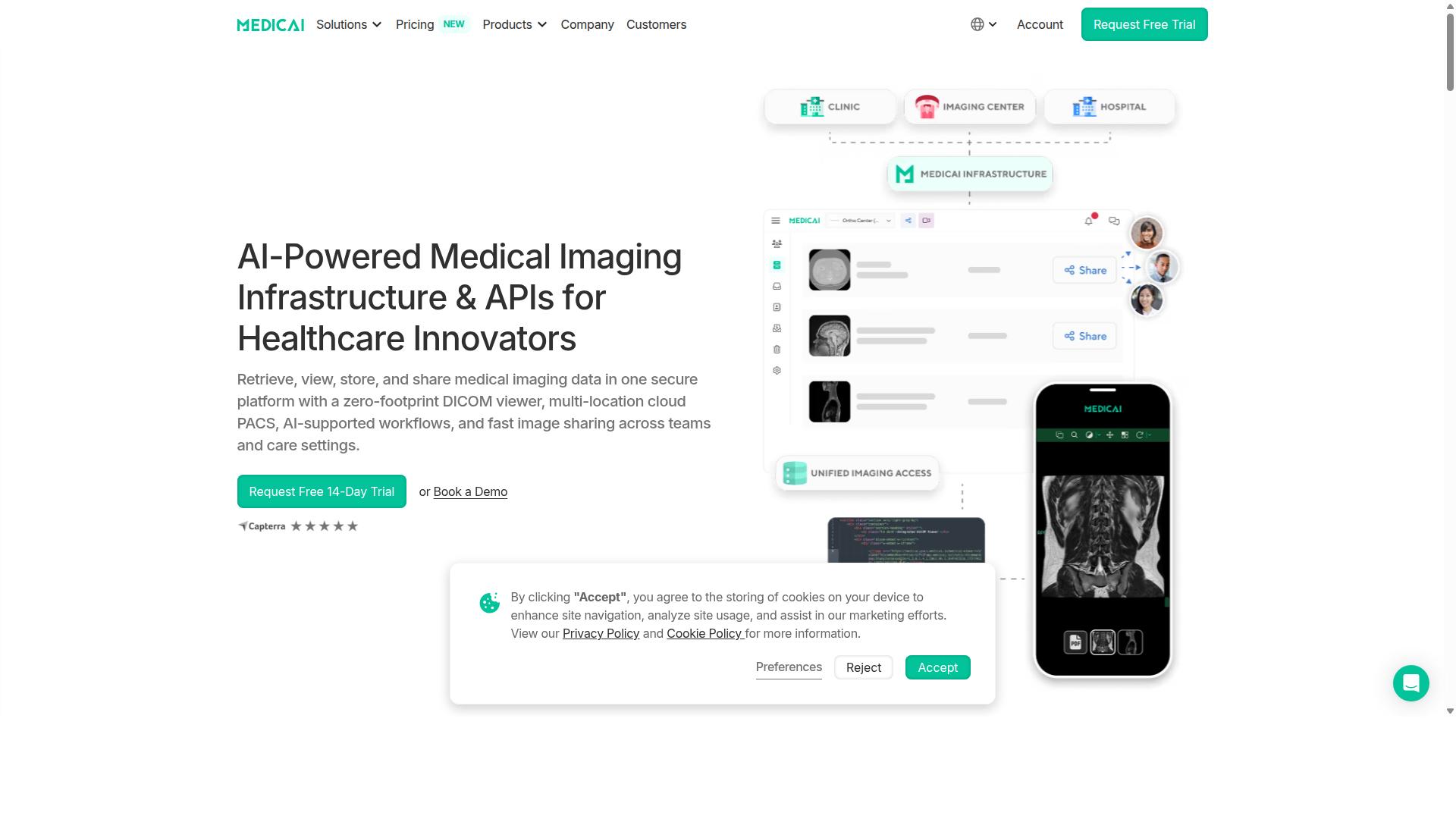
Medicai delivers enterprise imaging through a cloud-native platform that combines storage, viewing, and exchange capabilities. This approach addresses the needs of healthcare providers who manage growing volumes of diagnostic imaging data across multiple sites.
The platform operates globally, making it accessible to hospitals, imaging centers, and specialty clinics regardless of location. Organizations replacing legacy Fujifilm systems often seek this level of flexibility when planning multi-site deployments.
Cloud architecture reduces the hardware burden compared with traditional on-premise setups. Teams gain access to image management tools that scale with patient volume without requiring new server purchases.
Key Features and Capabilities
Medicai supports medical imaging workflows with retrieval, viewing, storage, and sharing tools on a single platform. The zero-footprint DICOM viewer allows clinicians to access studies from any web browser without local software installation.
Annual processing exceeds 1 million studies while the archive holds more than 1.7 million studies. API transactions reach above 50 million each year, supporting automated data movement between systems.
Additional capabilities include a vendor neutral archive, patient and doctor portals, and structured reporting for radiology. AI-supported workflows help teams manage increasing caseloads while maintaining diagnostic quality.
Pricing and Deployment Options
Medicai offers tiered monthly pricing based on storage volume and connected locations. The Starter plan costs $249 per month and includes 500 GB of cloud storage with unlimited user accounts and no connected locations.
The Standard plan is priced at $749 per month. It provides 2 TB of storage, unlimited users, and one connected location for organizations with moderate imaging volumes.
Yearly billing reduces the monthly rate by 15 percent. Enterprise customers receive custom pricing that scales with storage needs and multiple connected locations. A one-time $1,000 DICOM Gateway setup fee applies per location for on-premise connections.
2. Intelerad

Intelerad provides radiology workflow solutions with both on-premise and cloud deployment choices. The platform focuses on enterprise image exchange across healthcare networks. Hospitals and large health systems use it to unify radiology, cardiology, pathology, and point-of-care imaging records.
Intelerad supports DICOM workloads and integrates with vendor neutral archives. The solution enables secure sharing and access of medical imaging across connected facilities. Many organizations select it when they need to consolidate records from multiple departments into one accessible system.
Users often appreciate the ability to connect different imaging sources without replacing existing infrastructure. The platform handles data migration requirements that arise during system consolidations. Implementation timelines vary based on the complexity of current environments and the number of sites involved.
Strengths and Limitations
Intelerad offers established radiology workflow tools with broad modality support. The platform provides image management capabilities that help coordinate care across multiple locations. Organizations can maintain their current equipment while adding centralized viewing and exchange functions.
Common workflow benefits include consolidated access to studies from different departments. The system supports standard protocols for interoperability between imaging devices and information systems. Many facilities use these tools to reduce duplicate exams and improve referral coordination.
Enterprise concerns around customization time appear frequently in user feedback. Complex environments may require extended configuration periods before full functionality becomes available. Some organizations report challenges when attempting to modify workflows after initial setup.
Vendor lock-in represents another consideration for health systems evaluating long-term options. Switching platforms later involves significant data migration efforts and potential workflow disruptions. Research suggests that organizations should evaluate exit strategies during the initial selection process to understand future flexibility options.
3. Sectra
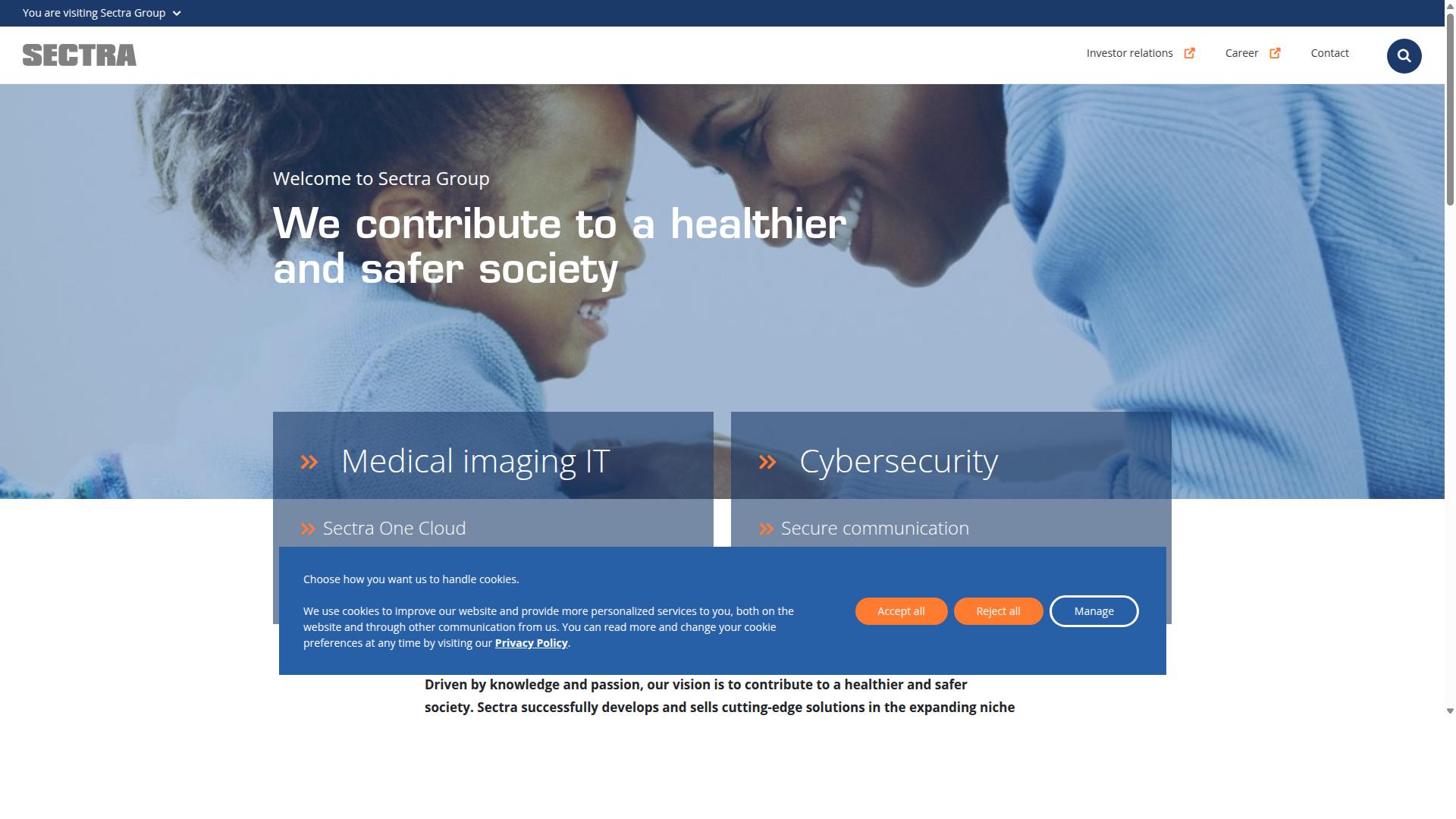
Sectra focuses on high-availability enterprise imaging platforms for large health systems. Their solutions support radiology, cardiology, pathology, and other specialties across multiple sites. Organizations use these systems to manage diagnostic imaging, image archiving, and data exchange through a single vendor-neutral archive.
Sectra One Cloud and Sectra IDS7 represent core components of their imaging IT portfolio. The platform handles DICOM workflows and supports interoperability standards such as HL7. More than 2,500 healthcare sites worldwide rely on Sectra systems for daily image management tasks.
Deployment typically involves careful planning around existing infrastructure and EHR integration. Implementation timelines vary based on the number of sites, data migration volume, and required customization levels. Training programs address both clinical users and technical administrators before go-live.
Support services include ongoing maintenance and system monitoring. Organizations often request phased rollouts to minimize disruption during transition periods. High availability features help maintain system access across different network conditions.
Strengths and Limitations
Sectra provides robust diagnostic imaging tools suited for multi-site health networks. The system emphasizes image quality and workflow consistency across different departments. Customer satisfaction rankings have placed Sectra PACS at the top position in independent surveys for over a decade.
Implementation duration can extend several months depending on system complexity and data migration requirements. Initial training investment covers both clinical interpretation and technical administration tasks. Some organizations report longer learning curves when integrating additional specialties beyond basic radiology workflows.
The platform supports various imaging modalities through standard DICOM protocols. Integration with existing EHR systems requires coordination between IT teams and clinical stakeholders. Multi-site deployments benefit from centralized management capabilities built into the architecture.
4. Agfa HealthCare
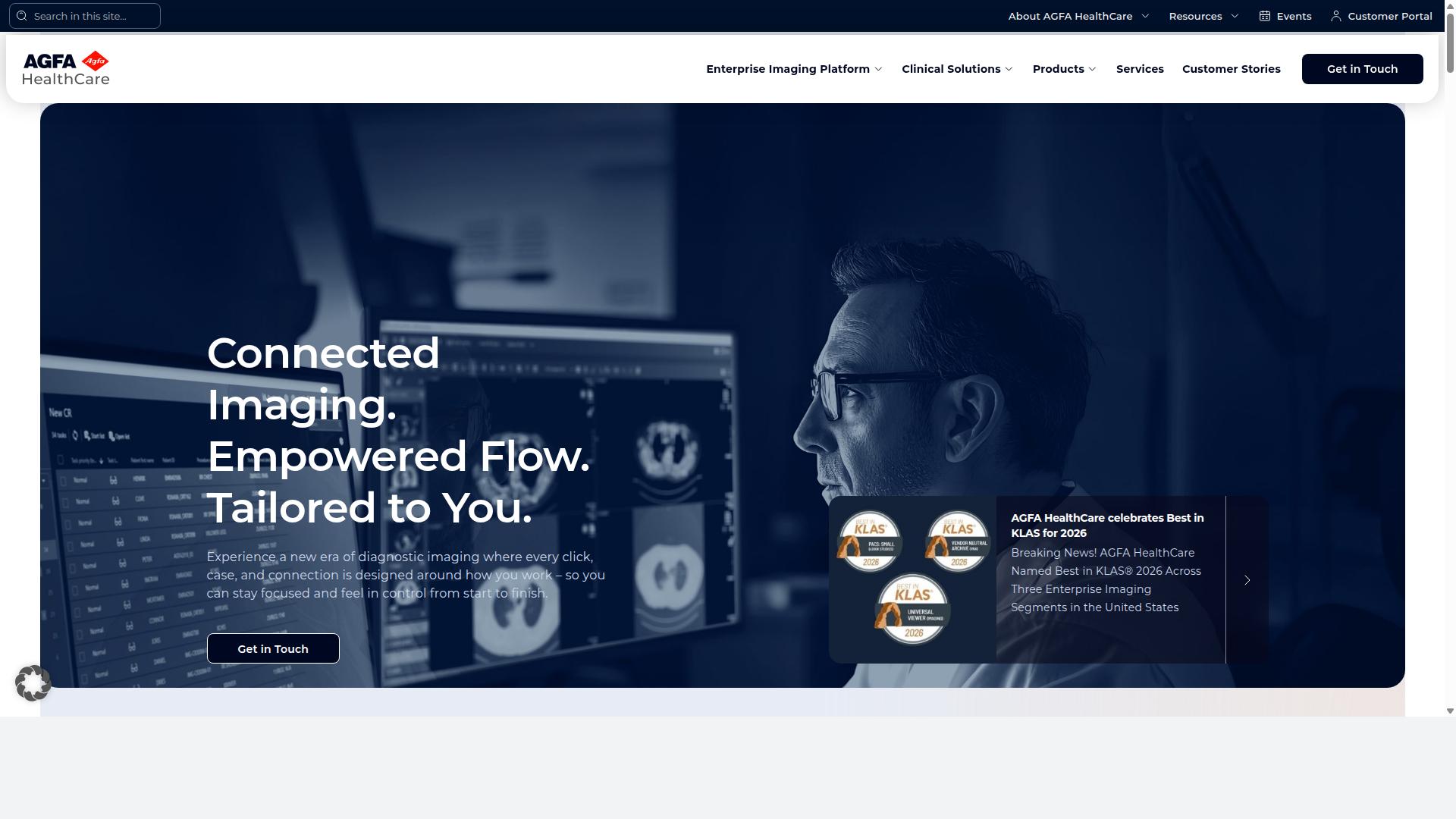
Agfa HealthCare delivers enterprise imaging and RIS solutions with both cloud and on-premise options. The platform combines multiple imaging systems into a single standards-based environment that supports radiology, cardiology, and other specialties. Healthcare organizations can choose deployment models that fit their infrastructure and regulatory requirements.
Agfa products include a universal viewer and vendor neutral archive that connect with existing hospital systems. The architecture emphasizes interoperability and security features designed for clinical settings. Multiple imaging modalities receive support through the same consolidated platform.
Implementation typically requires careful planning around data standards and workflow integration. Organizations benefit from the platform's ability to handle diverse imaging types while maintaining compliance requirements. The system supports clinical workflows across different departments and facilities.
Strengths and Limitations
Agfa HealthCare solutions integrate image archive functions with RIS workflows. The combined approach reduces the need for separate systems and simplifies user access to patient imaging records. Clinical staff can view studies and manage scheduling tasks within a unified interface.
Generic archive benefits include centralized storage that supports multiple imaging specialties. The platform handles DICOM images and supports common interoperability standards used in healthcare environments. Organizations gain flexibility when managing data across different physical locations.
Common industry concerns involve long-term licensing costs that may increase over time. Migration complexity can present challenges when moving from existing systems to Agfa solutions. Implementation timelines often depend on the scope of data transfer and staff training requirements.
System customization options allow organizations to adapt workflows to specific clinical needs. However, extensive modifications may require additional resources and ongoing maintenance support. Healthcare facilities should evaluate customization needs against available budget and technical expertise.
How to Choose the Right Option
Selection criteria should align directly with the operational needs of hospitals, imaging centers, and specialty care providers. Enterprise imaging decisions require matching technology capabilities to patient volumes, specialist requirements, and existing clinical systems.
Orthopedics practices typically need high-resolution image storage for joint replacements and trauma cases. Neurology departments require rapid access to MRI and CT sequences across multiple time points. These differences affect storage volume and network demands.
Oncology centers handle longitudinal studies spanning years of treatment. Radiology groups process the highest daily volumes across all modalities. Cardiology programs need integration with ECG systems and hemodynamic workstations.
Each specialty connects to different numbers of physical locations. A single-site imaging center has simpler requirements than a health system spanning multiple cities. Multi-site deployments demand robust synchronization and access controls.
Integration needs vary by existing infrastructure. Hospitals with established EHR systems require different connectivity than independent imaging centers. DICOM and HL7 standards remain essential across all environments.
Healthcare providers including hospitals, imaging centers, and specialty care providers in orthopedics, neurology, oncology, radiology, cardiology, ophthalmology, ob-gyn, pulmonology, dentistry, and gastroenterology each face distinct demands. Virtual care providers and teleradiology services add another layer of connectivity requirements.
Patient portal access represents an emerging requirement for many organizations. Tumor boards and clinical trials need secure sharing capabilities across institutions. Medical education programs require de-identified case libraries.
Storage volume calculations should account for both current imaging volumes and projected growth. Cloud imaging solutions offer different scaling characteristics than on-premise imaging systems. The choice depends on infrastructure investment preferences and technical expertise availability.
Interoperability requirements extend beyond basic EHR integration. Organizations need to evaluate API access capabilities and FHIR support for future system connections. IHE profiles compliance ensures standardized data exchange across vendors.
Implementation timeline considerations include data migration from existing PACS or VNA systems. Training requirements vary by user population size and technical comfort level. Support services availability affects ongoing operations.
Final Verdict
The optimal enterprise imaging platform balances storage capacity, viewer performance, compliance certifications, and API extensibility. Organizations reviewing Fujifilm alternatives must evaluate these criteria against their specific workflow demands and regulatory requirements.
Platforms that process over 1M+ studies yearly demonstrate proven scalability. Those maintaining 1.7M+ studies in storage show capacity to handle growing imaging volumes without performance degradation.
Diagnostic teams benefit when solutions deliver 300k+ visualizations of DICOM studies within a year. This level of usage indicates reliable viewer performance across diverse clinical scenarios.
HIPAA and GDPR compliance combined with FDA/CEE cleared viewers represent non-negotiable requirements for enterprise deployments. These certifications reduce legal exposure and accelerate implementation timelines.
OWASP security guidelines provide additional assurance for organizations handling sensitive patient data. Microsoft Azure partnership further strengthens infrastructure reliability and data protection standards.
Platforms supporting 50M+ yearly API transactions enable extensive EHR integration and third-party tool connectivity. This extensibility prevents vendor lock-in while supporting future technology adoption.
Multi-site deployments across 70 clinics and hospitals with 10,000+ active doctors demonstrate real-world enterprise viability. The ability to serve diverse healthcare environments indicates robust configuration options.
Organizations managing 2M+ imaging studies uploaded benefit from proven data migration capabilities. These platforms have successfully consolidated archives from multiple legacy systems.
Reduced diagnosis time by 65% translates directly to improved patient throughput and staff satisfaction. This efficiency gain compounds across large imaging departments handling high daily volumes.
Global multidisciplinary tumor board support and access initiatives for Ukrainian refugee patients highlight real clinical impact beyond technical specifications. These use cases demonstrate platform flexibility across diverse healthcare delivery models.
Recommended Resources: